
Student Loans: Strategies to Manage and Repay Faster
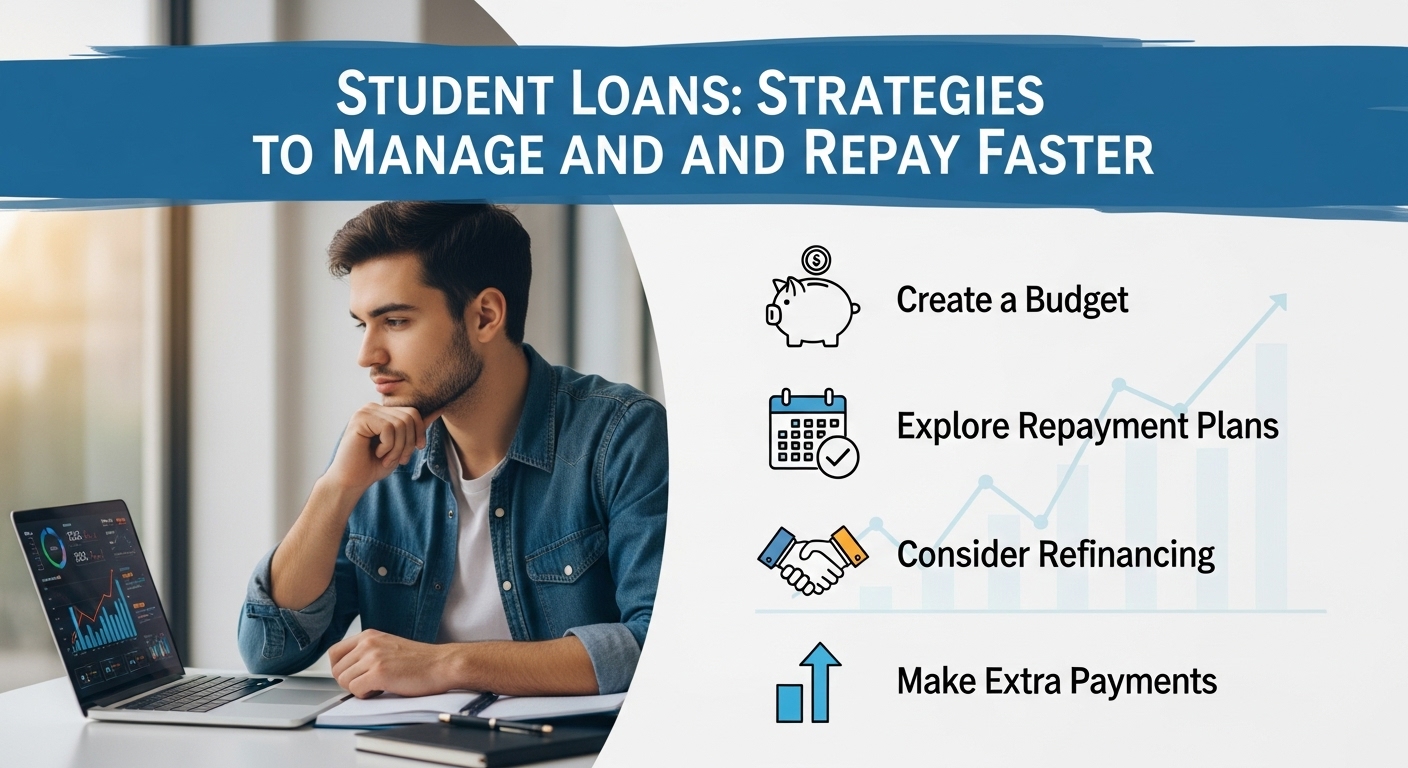
Student loans can be an essential tool for financing higher education, but managing them effectively is crucial to avoid long-term financial strain. With proper planning and strategic repayment methods, you can reduce interest costs, pay off your loans faster, and maintain a healthy financial future.
1. Understanding Your Student Loan Options
Before diving into repayment strategies, it’s important to understand the types of student loans available:
- Federal student loans: Offered by the government, often with lower interest rates and flexible repayment options. Examples include Stafford Loans, Perkins Loans, and PLUS Loans.
- Private student loans: Offered by banks or financial institutions; rates and repayment terms vary based on your credit history and lender.
- Consolidation or refinancing options: Combining multiple loans can simplify repayment and, in some cases, reduce interest costs.
Knowing the differences helps you choose the most effective repayment strategy for your situation.
2. Create a Clear Repayment Plan
Managing student loans effectively starts with a structured repayment plan:
- Track your loans: Keep an updated record of loan balances, interest rates, and repayment deadlines.
- Set a monthly budget: Allocate a portion of your income specifically for loan repayment.
- Prioritize high-interest loans: Paying off loans with the highest interest first can save money over time.
A clear plan ensures you stay organized and reduces the risk of missed payments or penalties.
3. Explore Repayment Programs and Forgiveness Options
Federal student loans often offer programs designed to make repayment easier:
- Income-Driven Repayment Plans (IDR): Monthly payments are based on your income, helping make them more manageable.
- Public Service Loan Forgiveness (PSLF): If you work in qualifying public service jobs, remaining balances may be forgiven after 10 years of consistent payments.
- Loan forgiveness for teachers, nurses, and other professions: Check government programs for eligibility based on your career.
Utilizing these programs can significantly reduce financial stress and shorten your repayment timeline.
4. Pay More Than the Minimum When Possible
Making extra payments toward your student loans can reduce the principal faster and save on interest:
- Bi-weekly payments: Splitting monthly payments into two halves can slightly accelerate repayment.
- Apply windfalls to loans: Tax refunds, bonuses, or gifts can be used to make lump-sum payments.
- Target high-interest loans first: Extra payments on higher-interest loans have the greatest impact on reducing total costs.
Even small additional payments each month can make a meaningful difference over the life of the loan.
5. Refinancing and Consolidation Options
Refinancing or consolidating your student loans can simplify repayment and potentially lower interest rates:
- Consolidation: Combines multiple federal loans into one loan with a single monthly payment.
- Refinancing with a private lender: May offer a lower interest rate, but federal loan protections may be lost.
- Compare offers carefully: Ensure that new terms truly benefit your financial situation.
Refinancing is particularly beneficial for borrowers with high-interest private loans or those with improved credit scores since graduation.
6. Budgeting and Financial Discipline
A disciplined approach to finances is critical for managing student loans effectively:
- Track spending: Identify areas where you can cut expenses to allocate more toward loans.
- Build an emergency fund: Avoid taking on more debt when unexpected expenses arise.
- Automate payments: Reduces the chance of late payments and keeps you consistent.
Maintaining good financial habits can help prevent loan repayment from becoming overwhelming.
7. Avoid Common Pitfalls
Many borrowers struggle due to common mistakes:
- Ignoring interest accrual: Understand how interest accrues and capitalize it can increase the loan balance if unpaid.
- Delaying payments unnecessarily: Deferment or forbearance should be used only when necessary, as interest can continue to accumulate.
- Overborrowing: Only borrow what is necessary for tuition and essential living expenses.
Being aware of these pitfalls ensures you stay in control of your debt and avoid unnecessary costs.
8. Seek Expert Guidance
Professional guidance can provide clarity and personalized strategies:
- Financial advisors: Can help create a repayment plan tailored to your income and goals.
- Loan servicers: Offer support for repayment options, deferment, and forgiveness programs.
- Government resources: Websites like studentaid.gov provide detailed information and calculators to plan repayment effectively.
Accessing expert advice helps you make informed decisions and increases your chances of paying off your loans efficiently.
Conclusion
Managing student loans effectively requires a combination of knowledge, planning, and discipline. By understanding your loan types, creating a repayment plan, leveraging forgiveness programs, making extra payments, and maintaining good financial habits, you can reduce your debt faster and minimize interest costs. Thoughtful management today can lead to financial freedom and a more secure future, even with student loan obligations.
About the author

Giulia writes about personal finance, credit cards, loans, investments, and financial services. She focuses on researching and creating clear, accessible content that helps readers better understand the features, costs, benefits, and options of different financial products.


